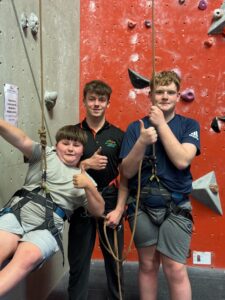
Plymouth Active is celebrating the success of the six week Adaptive Climbing pilot, created by Luke Whitham representing our Active Lifestyles team. These sessions have demonstrated how climbing can become more accessible, inclusive and rewarding for people with a wide range of additional physical, health and social-emotional needs.
Delivered at the Plymouth Life Centre Climbing Wall, the pilot welcomed nine participants across 30 attendances, providing a supportive environment where individuals could build confidence, develop new skills and enjoy the physical and social benefits of climbing.
Feedback from participants, parents and the delivery team has helped shape an exciting future for adaptive climbing at Plymouth Active.
One of the most significant outcomes of the pilot has been the development of a new two-strand programme designed to better meet individual needs. The framework introduces Inclusive Climbing, aimed at people with additional social and emotional needs, and Assisted Climbing, providing more personalised support for those with physical or health-related requirements. This clear structure will help to ensure that participants receive the right level of support while making the program
Throughout the six weeks, participants reported improvements in confidence, wellbeing and social connection. Many highlighted the welcoming atmosphere created by the climbing team, with one parent saying, “Watching him do something without me, him overcoming his own fears and challenging himself is really important. It has been really helpful having the same staff building relationships and gaining trust.” Others spoke positively about learning new skills, meeting new people and challenging themselves in a supportive environment.
The pilot also demonstrated the wider impact that inclusive physical activity can have. For some participants, climbing became more than just exercise, it was an opportunity to overcome personal barriers, develop independence and experience success in an environment where they felt comfortable and included.
Alongside these positive outcomes, the pilot provided valuable learning that will help shape future sessions. Feedback suggested that extending sessions to 90 minutes would allow more time for warm-ups, skills development and climbing, while introducing structured challenges, progression awards and certificates could further motivate participants and celebrate their achievements. Participants also identified the importance of making the programme as accessible as possible through clear information and affordable pricing options where possible.
The findings have already informed Plymouth Active’s future plans, with new Inclusive Climbing and Assisted Climbing sessions being developed alongside additional staff training and a structured progression pathway. These developments will build on the strong foundations established during the pilot and ensure more people can experience the physical, mental and social benefits of climbing.